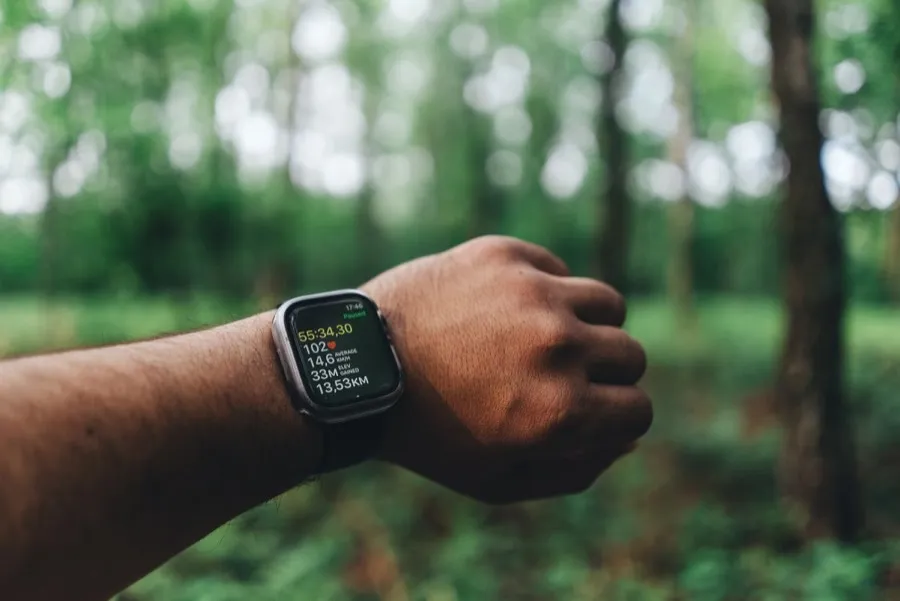
How accurate is the Cardio Fitness (VO₂ max) score on my Apple Watch?
Your Apple Watch calls it Cardio Fitness. Here’s what the number means, how far to trust it, and where it puts you for your age.
Why VO₂ max matters
VO₂ max is the most oxygen your body can use in a minute of all-out effort, per kilogram of body weight. It’s the best single measure of cardio fitness, and one of the strongest predictors of how long, and how well, you’ll live: in a study of 122,000 people, the least fit had about five times the risk of death of the fittest. It also sets what you can keep doing as you age, from a hike to a flight of stairs. Why 95th aims for the top 5% ›
My Apple Watch says ml/kg/min, and I’m a who is years old.
- Open the Health app on your iPhone.
- Tap Browse › Heart › Cardio Fitness.
- Use the latest value, from a recent outdoor walk, run, or hike.
Population-level data exists for some health and fitness measures, such as VO₂ max, but not for many others. For those, we estimate the numbers from the best published data we have access to. See where our numbers come from for full details.
How accurate is it?
Apple’s own testing found it within about 5 points of a lab test for most people. Small independent studies find it about 13–15% off, reading low for very fit people and high for unfit ones. It’s good for your trend; for a single reading, a 12-minute run is about as good.
Other ways to measure it
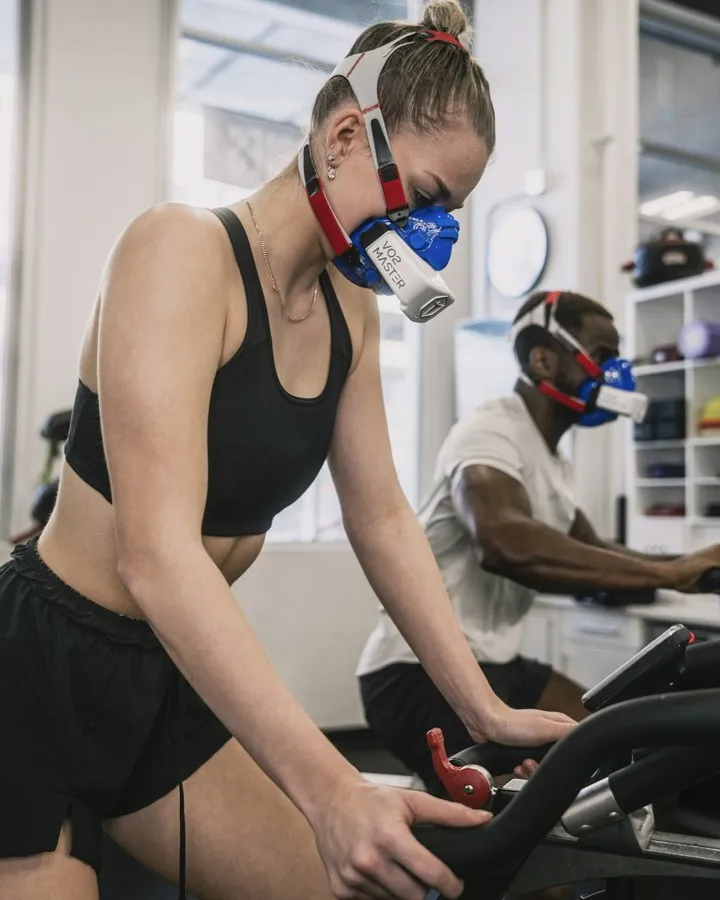
The most accurate is a lab test: you run or ride to exhaustion in a mask that measures your breath, usually within a few percent. A sports lab or some gyms and clinics offer one. Without a lab, a hard field test beats the Apple Watch for a single reading. Estimate yours from one of these:
How to raise your VO₂ max
Mostly easy cardio, 2–4 hours a week, at a pace where you can still talk, plus one or two hard interval sessions (for example 4 × 4 minutes hard, 3 minutes easy). Most people see it rise within 8–12 weeks, and your Apple Watch will show the trend.
More benchmarks